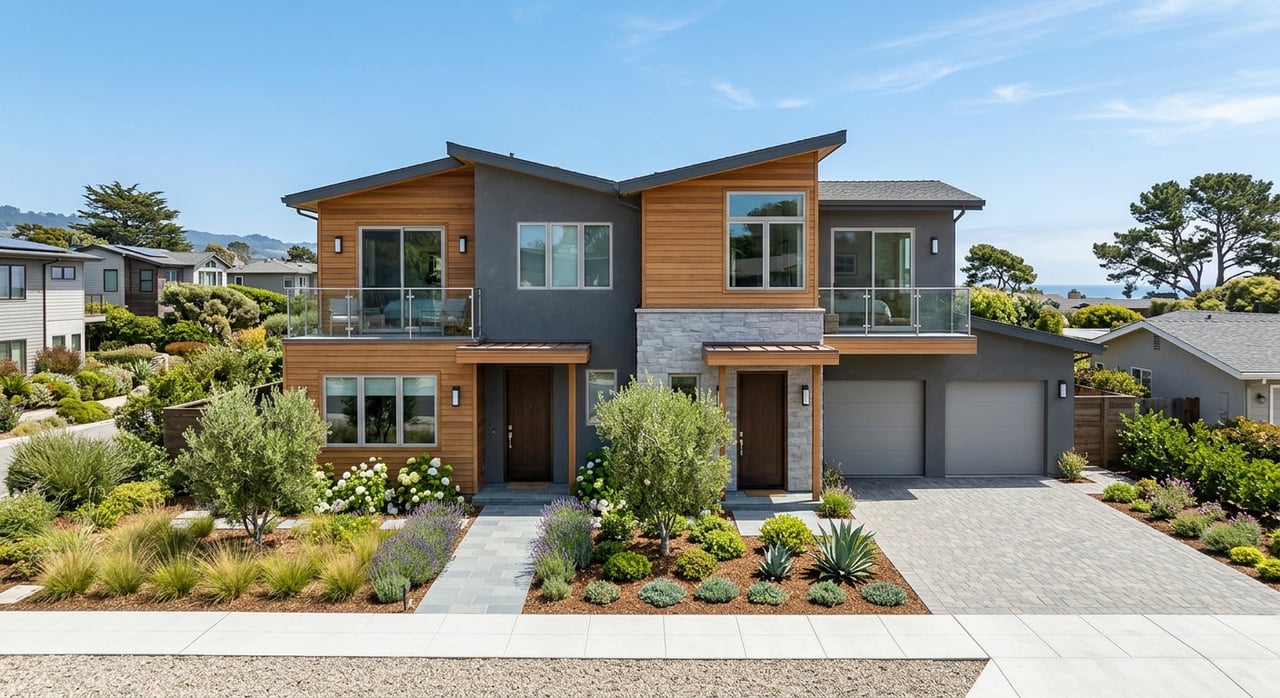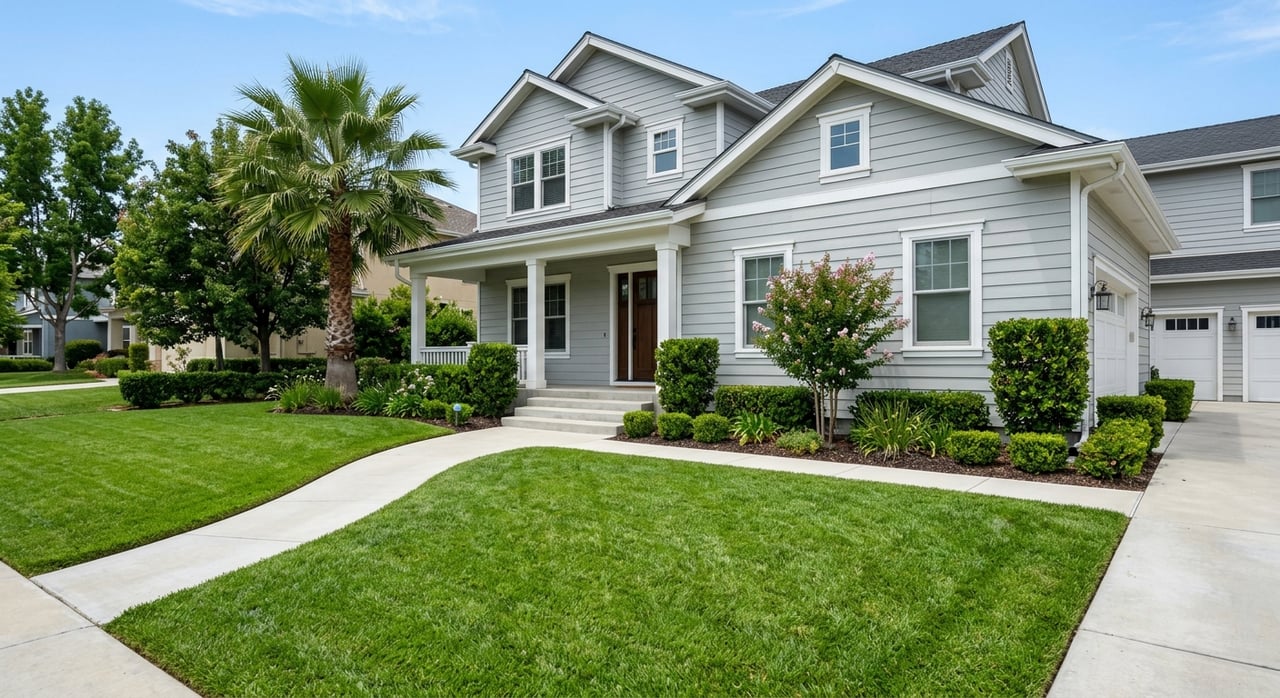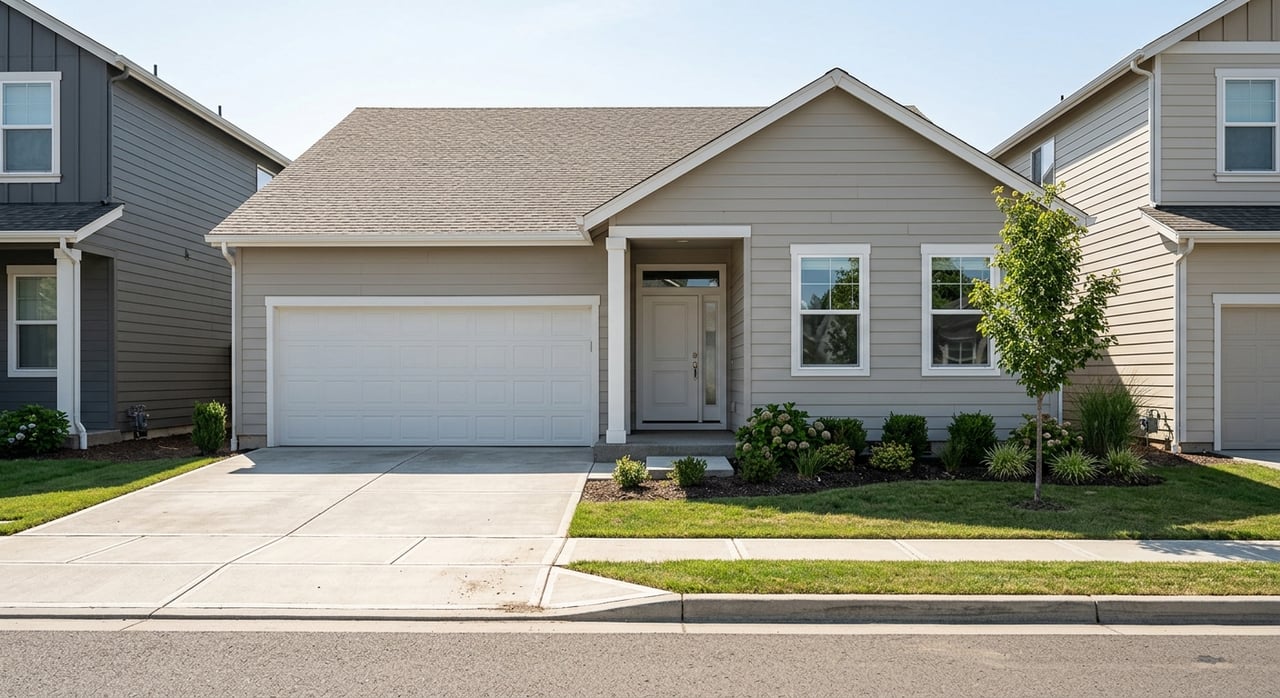
Thinking about buying new construction in Jacksonville? You are not just choosing a house. You are also choosing a neighborhood type, a lot setup, a fee structure, and a timeline that can look very different from a resale home. If you want to compare your options with more confidence, this guide will walk you through how Jacksonville’s new construction market works and what to look for before you sign. Let’s dive in.
How Jacksonville New Construction Breaks Down
Jacksonville’s new construction market generally falls into three overlapping categories: urban infill and downtown redevelopment, suburban master-planned communities, and coastal-adjacent neighborhoods. Each offers a different lifestyle, lot pattern, and level of predictability.
The city’s 2045 Comprehensive Plan supports compact redevelopment in urban priority areas and nodal growth in suburban areas. In simple terms, that helps explain why some new homes are showing up in denser mixed-use areas while others are clustered in larger planned communities along growth corridors.
Urban Infill and Downtown Options
If you are looking at downtown Jacksonville or nearby redevelopment areas, expect a more compact layout. The city’s residential incentive framework favors higher-density housing, especially apartments and condominiums, while also allowing townhomes, zero-lot-line homes, and some single-family development in appropriate locations.
That often translates to smaller private lots, less yard space, and more focus on shared spaces or walkability. For buyers who want a more connected, lower-maintenance setup, this can be a strong fit.
One example is Pearl Square, a roughly 20-block mixed-use neighborhood expected to include more than 1,250 residential units along with retail, public spaces, and pedestrian-oriented streets. Construction phases began in 2024 and 2025, which shows the scale and pace of downtown redevelopment now underway.
What to Expect in Urban Settings
When you tour urban infill or downtown communities, pay attention to:
- Smaller lots or attached-home formats
- Shared amenities instead of large private yards
- Mixed-use surroundings with residential and commercial elements
- Phased construction that may continue around you after move-in
Suburban Master-Planned Communities
Many of Jacksonville’s detached new-home options are concentrated in large master-planned communities, especially on the Southside and in other growth corridors. These neighborhoods are usually designed as full communities rather than one-off subdivisions.
Communities like eTown and Seven Pines reflect this model well. eTown offers villa and townhome floor plans, while Seven Pines is a mixed-use community spanning more than 1,000 acres and built by ICI Homes and David Weekley Homes.
For many buyers, the appeal is straightforward: you can often find coordinated streetscapes, planned amenities, and a broader neighborhood vision. At the same time, these communities may come with more layers of cost and more builder-specific disclosures.
What to Watch in Master-Planned Communities
Before you move forward, ask clear questions about what is included and what costs extra. Seven Pines disclosures note that prices may exclude lot premiums, upgrades, and options, and estimated completion dates for inventory homes can change.
That matters because the advertised starting price may not reflect your final cost. The home site, design selections, and timing can all shift the bottom line.
Coastal-Adjacent New Construction
Coastal-adjacent neighborhoods in Jacksonville come with a different set of tradeoffs. These areas can be appealing for location and access, but site conditions and regulations usually require closer review.
The City of Jacksonville notes that Duval County experiences coastal, inland, and river flooding. The most common flooding occurs during the rainy season from June through November, with severe events often tied to hurricanes and tropical storms.
Florida’s Coastal Construction Control Line program also applies special siting and design criteria to construction near the coast to reduce erosion and storm damage. In practical terms, that can affect where and how a home can be built.
Questions for Coastal Buyers
If you are considering a coastal-adjacent lot or neighborhood, make sure you review:
- Flood-zone status
- Elevation and drainage considerations
- Evacuation zone information
- Access routes during severe weather
- Any Coastal Construction Control Line requirements
These details can influence insurance, site flexibility, and your day-to-day comfort with the property.
Lot and Plat Details Matter More Than You Think
In Jacksonville, lot due diligence starts with the planning process. The city’s Current Planning Division handles zoning verification, permitting, zoning changes, and subdivision regulations that govern plats and planned unit developments.
The recorded plat is especially important because it is the official legal depiction of the subdivided land. Jacksonville’s land-development manual notes that plats can include utility easements, floodplain notes, and HOA-related notes. It also warns that additional restrictions may exist in public records even if they do not appear on the plat itself.
Smart Lot Questions to Ask
Before you commit to a lot, ask:
- Is there a lot premium?
- Are there utility easements that affect how the lot can be used?
- Are there floodplain notes on the plat?
- Are there HOA notes or other recorded restrictions?
- Does the site have any special siting requirement?
These questions can help you avoid surprises that are easy to miss during an early builder visit.
Utilities, CDDs, and Community Fees
Utility and community costs are another major part of the Jacksonville new construction picture. JEA provides electric, water, and sewer service to about one million residents and businesses in Jacksonville and surrounding communities, so utility setup is often part of the practical due diligence process.
You should also find out whether the community has a Community Development District, an HOA, or both. These are not the same thing, and the cost structure can affect your monthly and annual budget.
In eTown, for example, the CDD funds and maintains public improvements such as parks, trails, utilities, lighting, signage, stormwater systems, and landscaping. Those CDD assessments appear on the county tax bill.
HOA vs. CDD at a Glance
| Cost Type | What It Typically Covers | Where It Shows Up |
|---|---|---|
| HOA | Community rules, maintenance, and shared features based on the community structure | Usually billed by the association |
| CDD | Public improvements such as infrastructure, landscaping, trails, parks, utilities, and stormwater in certain communities | Appears on the county tax bill |
If a community has both, you need to understand both. That full picture matters when you compare one neighborhood to another.
Builder Contracts Work Differently
A new construction purchase usually does not follow the same rhythm as buying a resale home. Builder contracts may have different deposit structures, longer timelines, and change-order rules that deserve a careful review.
Buyers may choose a stock plan, a spec home, or a more customized build depending on the community and stage of construction. If you want more personalization, the timeline is often longer.
Research in the report notes that for land-and-build projects, the design phase often lasts three to six months and construction typically takes at least 12 to 16 months, with possible delays beyond that. By contrast, a spec home may shorten the process because the home is already under construction or recently completed.
What to Ask About the Contract
Keep these questions handy:
- What is included in the base price?
- What counts as an upgrade or option?
- How are deposits handled?
- What happens if construction is delayed?
- How do change orders work?
- Is the completion date estimated or firm?
These questions help you compare builders on more than just floor plans and pricing.
Warranties and Inspections Still Matter
A brand-new home can still have defects, so inspections and warranty planning are important. Under Florida Statutes section 553.837, a builder must warrant a newly constructed home for construction defects that materially violate the Florida Building Code for one year after title transfer or occupancy, whichever comes first.
If the builder offers a longer express written warranty, that warranty can control if it is at least as broad and long as the statute and transfers for at least the initial year. This is why you should read the written warranty carefully instead of assuming all builder coverage is the same.
Inspection Timing to Consider
New construction buyers often benefit from phase inspections during the build. Common checkpoints include:
- Foundation stage
- Pre-drywall stage
- Final punch-out
- An additional 10- to 11-month inspection before the one-year window closes
This kind of inspection schedule can help you document issues while they are still easier to address under the builder’s warranty framework.
A Simple Jacksonville New Construction Checklist
If you want a practical way to stay organized, use this checklist as you compare neighborhoods and builders:
- Choose the neighborhood type that fits your goals.
- Review the lot, plat, and any easements or floodplain notes.
- Confirm utility setup and service providers.
- Ask whether there is an HOA, a CDD, or both.
- Clarify base price versus upgrades, options, and lot premiums.
- Review builder timelines and how delays are handled.
- Confirm inspection access during construction.
- Read the written warranty and compare it with Florida’s one-year statutory coverage.
- For coastal or low-lying areas, verify flood map, elevation, drainage, evacuation zone, and any coastal siting issues.
Why Local Guidance Helps
Jacksonville has a wide range of new construction choices, but the right fit often comes down to details that do not show up in a quick online search. The neighborhood type, fee structure, lot conditions, and builder process all shape your experience long after the model-home tour is over.
If you want help comparing communities, understanding builder terms, and negotiating your purchase with a clear local strategy, working with an experienced local advocate can make the process much smoother. When you are ready to explore Jacksonville new construction neighborhoods in a more informed way, connect with Amy Wojaczyk for personalized guidance across the 904 market.
FAQs
What types of new construction neighborhoods are available in Jacksonville?
- Jacksonville new construction generally falls into three categories: urban infill and downtown redevelopment, suburban master-planned communities, and coastal-adjacent neighborhoods.
What is a CDD in a Jacksonville new construction community?
- A Community Development District helps finance and maintain certain public improvements in some communities, and the assessment may appear on your county tax bill.
What should you review on a Jacksonville lot plat?
- You should review the plat for items such as utility easements, floodplain notes, HOA-related notes, and any other recorded restrictions that may affect the lot.
How long can a Jacksonville new construction home take to build?
- Timelines vary, but land-and-build projects often include a three- to six-month design phase and at least 12 to 16 months of construction, while spec homes may move faster.
Does a new construction home in Florida come with a warranty?
- Florida law provides a one-year warranty for certain construction defects that materially violate the Florida Building Code, starting at title transfer or occupancy, whichever comes first.
Should you get inspections on a Jacksonville new construction home?
- Many buyers choose phase inspections at foundation, pre-drywall, and final stages, plus a 10- to 11-month inspection before the one-year warranty window closes.