Have you ever walked the narrow streets of St. Augustine and wondered why one block feels like Old Spain while the next looks like a Mediterranean villa or a gingerbread-trimmed cottage? If you love design, that mix is part of the magic. If you are home shopping, it also shapes upkeep, layout, and value. In this guide, you’ll learn how to spot the major home styles around historic St. Augustine, what features define them, and the practical questions to ask before you buy. Let’s dive in.
Why St. Augustine looks this way
St. Augustine’s core is the oldest continuously occupied European settlement in the continental U.S., and you can still read its early Spanish town plan in today’s streets and plazas. The result is a layered architectural record that starts with colonial-era masonry and grows through Victorian and 20th-century revivals. For a helpful overview of the city’s planning and preservation context, see the National Park Service summary of the Town Plan Historic District.
Another big chapter arrived in the late 1800s, when Henry Flagler built grand hotels and civic buildings that popularized Spanish, Moorish, and Spanish Renaissance revival design. Those landmark projects, highlighted by Flagler College’s former Hotel Ponce de León, influenced residential styles across the city for decades.
Today, historic neighborhoods preserve their character through local design review. If you plan exterior work or new construction near the historic core, the City of St. Augustine’s Design Guidelines explain what review looks like and how to plan a compatible project.
Home styles you will see
Spanish Colonial and coquina masonry
You will notice thick walls, simple street fronts, wood shutters, and interior courtyards. Early homes often used coquina, a local shell-limestone that holds paint and limewash well. Many façades are modest to the street but open to gardens and shaded balconies inside the lot.
Buyer questions:
- Are any coquina walls or features present, and how have they been maintained?
- Were past masonry repairs completed with lime-based materials rather than hard cement?
- How does the courtyard plan affect privacy, light, and airflow for daily living?
Spanish Revival and Mediterranean
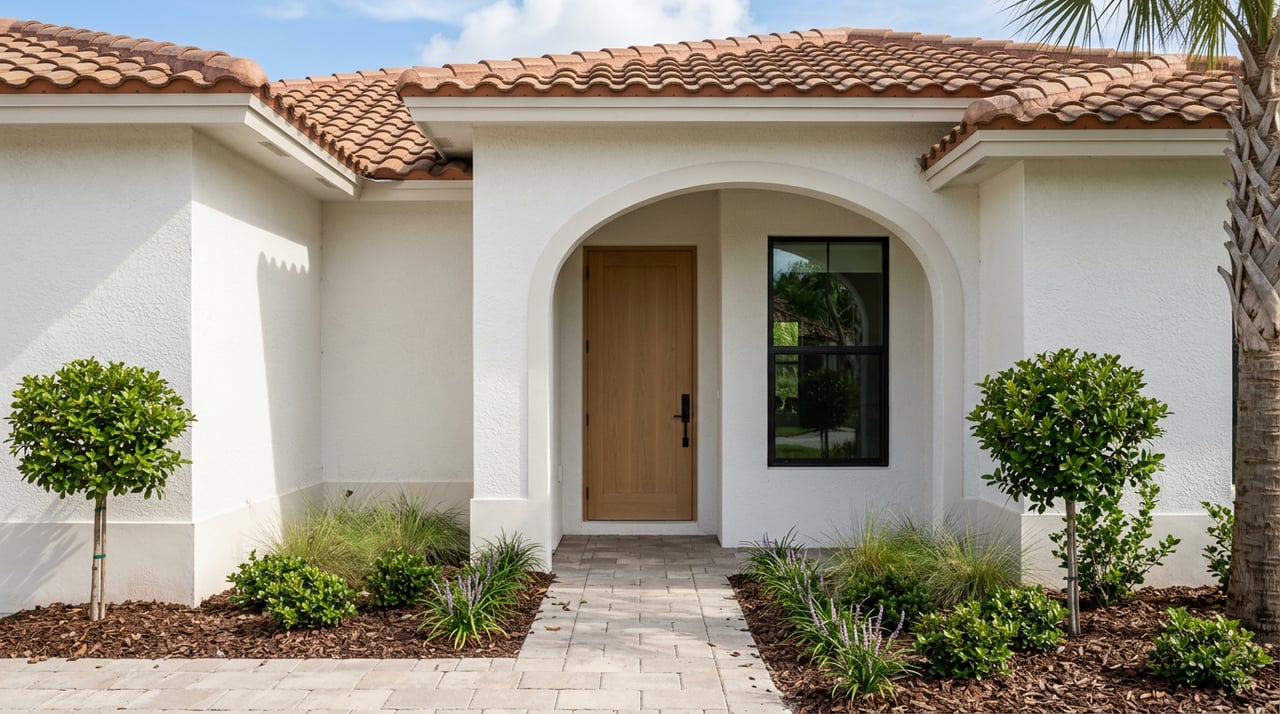
Smooth stucco walls, arched openings, red clay barrel tile roofs, and tiled courtyards point to revival-era influences from the late 19th and early 20th century. Details range from simple archways to more decorative tilework and iron grilles. These homes often highlight outdoor rooms and symmetry.
Buyer questions:
- What is the age and condition of the tile roof and underlayment?
- Are there active cracks in stucco and is the drainage well managed?
- Are windows impact-rated and consistent with Florida coastal standards?
Victorian and Queen Anne
Look for asymmetry, turned porch posts, spindlework, bays, and varied rooflines. You will find both small cottages and larger restored homes in and near the historic districts. Porch life is a real feature here, so check how the porch connects to interior rooms.
Buyer questions:
- What is the condition of exterior wood, especially at porches and trim?
- Has the home had regular termite inspections or treatment programs?
- For pre-1978 paint, are there lead disclosures and documented lead-safe renovations?
Frame vernacular and Florida Cracker
These wood-frame houses favor raised foundations, deep porches, and cross-ventilation. The design is climate-smart, with broad eaves and often metal roofs. Many modern coastal cottages reinterpret this look with fiber-cement siding and updated floor plans.
Buyer questions:
- Is the crawlspace well ventilated and free of moisture concerns?
- What is the age and material of the roof, and are fasteners corrosion resistant?
- Is there a current termite bond or recent inspection report?
Mid-century to contemporary coastal
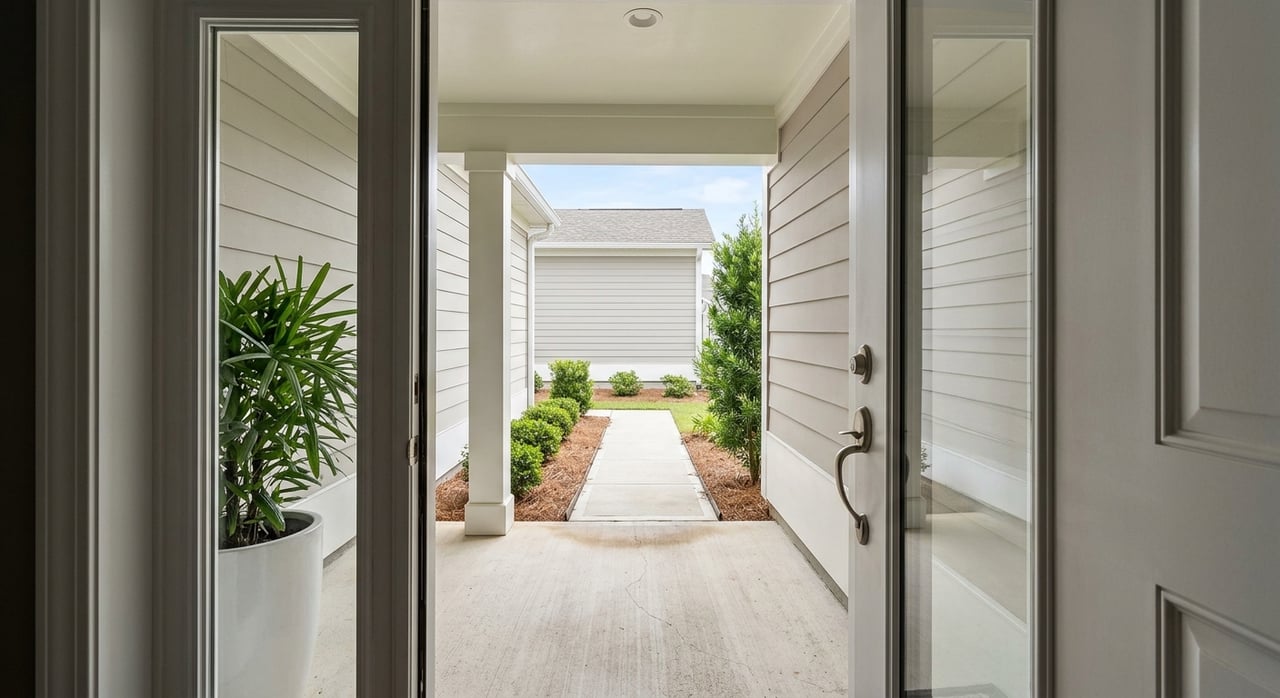
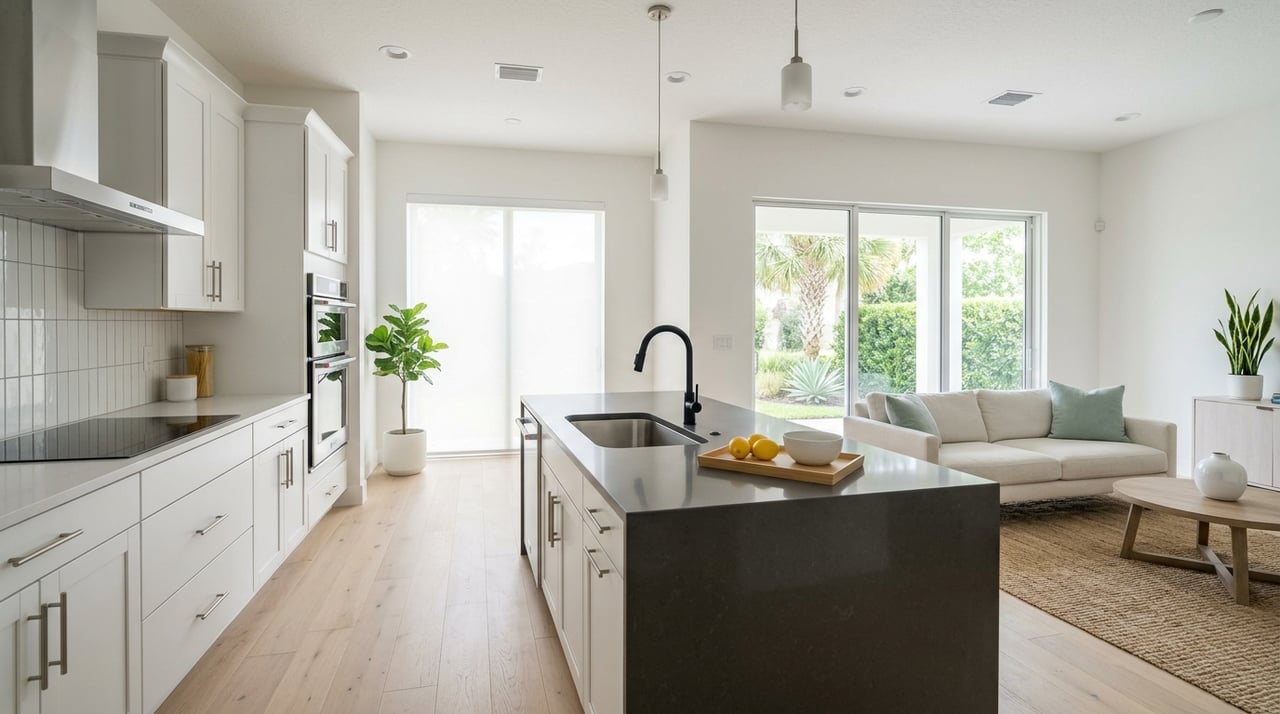
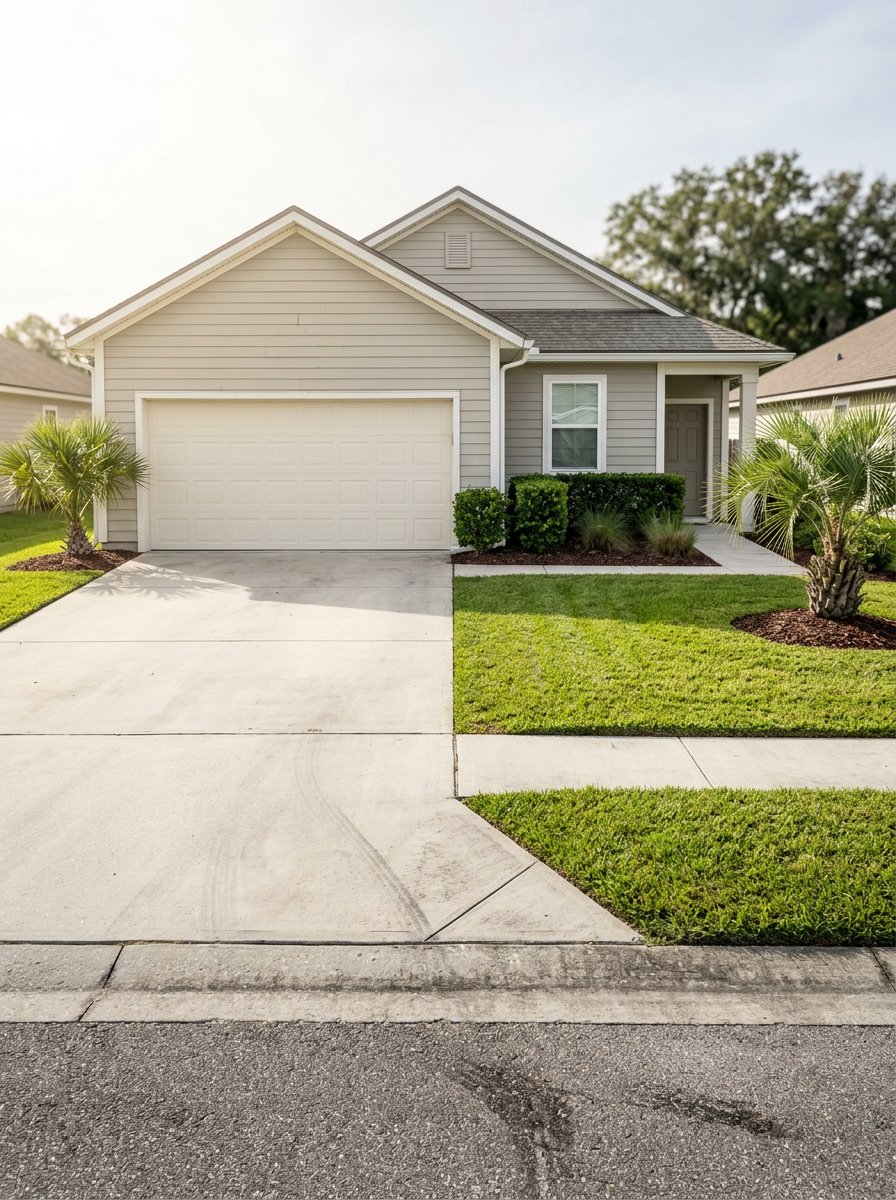
Expect cleaner lines, larger windows and sliders, open-concept living, and materials that balance durability with beach-town style. In and around historic areas, new work is usually reviewed for compatibility with neighboring homes. If you plan exterior changes or an addition, review the City of St. Augustine’s Design Guidelines so you understand proportions, materials, and setbacks expected near the core.
Buyer questions:
- Are windows and doors impact-rated per current Florida code requirements?
- What does the elevation certificate show and how does that affect flood insurance?
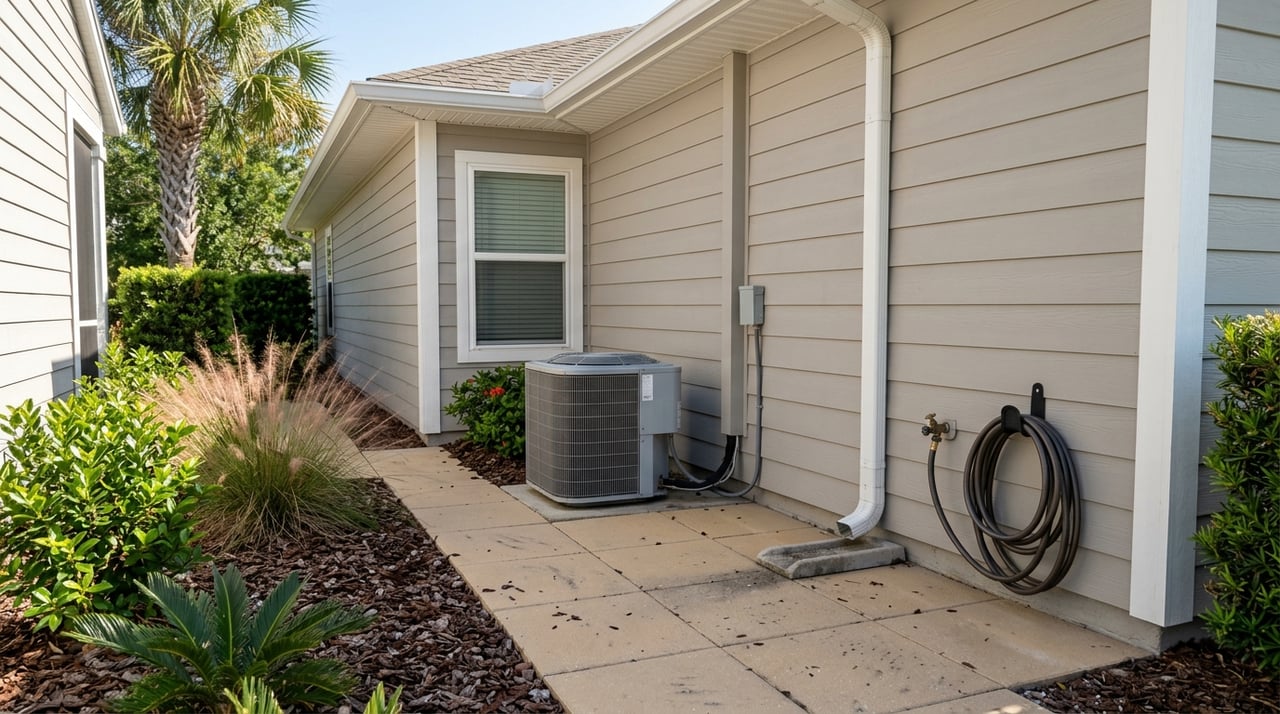
- Is the HVAC sized for humidity control and good indoor air quality?
How style shapes upkeep and value
Understanding materials is the key to smart ownership. Here are the areas that matter most near the coast and within historic neighborhoods.
Masonry and limewash on coquina
Coquina is porous and behaves differently than modern concrete. It performs best with limewash finishes and lime-based mortars. Hard Portland cement repairs can trap moisture and speed deterioration. The National Park Service outlines specialized conservation protocols for coquina so you know the right questions to ask a contractor.
What to confirm:
- Documentation of any historic masonry repairs and the materials used
- A plan for periodic limewash maintenance on exposed coquina
- Use of qualified specialists for structural or envelope repairs
Stucco and moisture management
Stucco can last when drainage is correct and cracks are addressed early. Coastal humidity puts a premium on kickout flashings, downspouts, and grading that moves water away from walls. If you see staining, bulging, or step cracks, plan for closer inspection.
What to confirm:
- Evidence of routine façade inspections and prompt crack repairs
- Flashings, gutters, and weep screeds that support drainage
- Proper separation between soil and stucco at grade
Roofing: tile vs metal vs shingle
Clay and terracotta tile look right on Spanish and Mediterranean homes and can last for decades if underlayment and flashing are maintained. Replacement is specialized and tiles are heavy, so framing and installer skill matter. A practical overview of life cycle and replacement considerations for tile roofs can help you gauge the long-term budget.
Metal roofs are popular on coastal cottages for durability in salt air. Modern coatings and marine-grade fasteners resist corrosion, and they can reduce maintenance and sometimes help with insurance. Review a Florida-focused metal roofing guide to understand styles, protection, and code approvals.
Buyer checklist:
- Roof age, recent repairs, and documentation of underlayment replacement
- Evidence of corrosion-resistant fasteners and flashings
- Any installer certifications and Florida Building Code or Miami-Dade approvals
Learn more about Florida’s relevant test protocols and approvals through this BCAP summary of Florida Building Code requirements.
Windows, code, and wind
In coastal Florida, window and door performance is critical. Impact-rated assemblies provide protection from wind-borne debris and can be required by code or insurers depending on location and project scope. When in doubt, confirm ratings, permits, and installation dates. The BCAP summary of Florida’s HVHZ and debris-impact test standards is a helpful reference.
What to confirm:
- Impact ratings on windows and doors, or approved protection systems
- Permit history for recent replacements or additions
- Proper seals and flashing at openings
Moisture, mold, and ventilation
Control moisture first. Keep humidity in check, dry any wet materials quickly, and make sure HVAC and attic ventilation work as designed. The EPA’s homeowner guide to mold and moisture outlines simple prevention steps you can put in place from day one.
What to confirm:
- Dehumidification strategy and HVAC sizing for the home’s layout
- Dry, odor-free attics and crawlspaces with no visible staining
- Well-detailed bathroom and kitchen exhausts
Termites and wood construction
Florida has active subterranean termite pressure. For wood-frame or porch-rich homes, regular inspections and moisture management are essential. UF/IFAS explains prevention strategies and the importance of documented treatment programs and warranties.
What to confirm:
- Current inspection report and any termite bond
- Repairs and monitoring around porches, band joists, and crawlspaces
- Clear separation of wood and soil at the foundation
Flood risk, foundations, and elevation
Many addresses near the historic core sit in mapped flood hazard areas, which can affect foundation choices and insurance. Pull the property’s elevation certificate and confirm any mitigation work. The City of St. Augustine’s Flood Mitigation Assistance resources are a good starting point for grants and planning.
What to confirm:
- Flood zone, FIRM panel, and elevation certificate
- Venting or elevation strategies for raised foundations
- Past claims history and mitigation projects
Quick vocabulary for shopping
- Coquina: Local shell-limestone used in colonial masonry that prefers limewash and lime mortar.
- Stucco: Cement or lime-based exterior finish that needs crack repair and good drainage.
- Barrel tile roof: Curved clay tiles common on Mediterranean houses, long-lived with proper underlayment.
- Reja: Decorative iron grille on balconies or windows.
- Courtyard plan: Home centered around an internal patio for privacy and shade.
- Florida Cracker: Wood-frame vernacular with raised floors, broad porches, and cross-ventilation.
- Impact window: Tested assembly designed for wind-borne debris.
How to choose your fit
As you tour homes, match style to lifestyle. Courtyard-focused Spanish layouts offer privacy and outdoor rooms. Victorian and Cracker cottages deliver deep porches and cozy nooks. Contemporary coastal builds favor open plans, larger glazing, and low-maintenance materials. No style is one size fits all, so weigh curb appeal with long-term upkeep, code compliance, and flood profile.
If you want a seasoned advocate to help compare options, plan inspections, and navigate historic review where needed, connect with an agent who knows the 904 market and its neighborhoods. When you are ready, reach out to Amy Wojaczyk for local guidance tailored to how you live and what you value.
Ready to explore homes that fit your style and budget in St. Augustine and St. Johns? Let’s start a focused search and line up the right experts for a smooth purchase with strong negotiation from offer to close. Connect with Amy Wojaczyk.
FAQs
What is coquina and how does it affect home maintenance in St. Augustine?
- Coquina is a local shell-limestone used in early masonry; it performs best with limewash and lime-based mortars, so you should confirm compatible repairs and plan periodic conservation.
Are tile roofs worth it on Mediterranean-style homes near the coast?
- Yes, clay and terracotta tile can have long service lives when underlayment and flashing are maintained, but they are heavy and require skilled installers and budget planning at replacement.
Do I need impact windows for a home near historic downtown?
- Requirements depend on project scope and location, but coastal buyers should confirm whether windows and doors are impact-rated or otherwise compliant with current Florida Building Code standards.
How do historic district rules affect exterior changes in St. Augustine?
- In designated historic areas, exterior changes often require design review and approval for compatibility, so plan timelines and budgets with those steps in mind before you renovate or add on.
What should I ask about flood risk when buying near the bayfront?
- Request the elevation certificate, confirm the FEMA flood zone, check for past claims or mitigation, and understand how foundation type and site grading affect insurance and resilience.
Which St. Augustine home style is lowest maintenance?
- It depends on materials and execution; many contemporary coastal homes use durable siding, impact-rated openings, and metal roofs, while historic homes may need specialized upkeep for stucco or coquina.