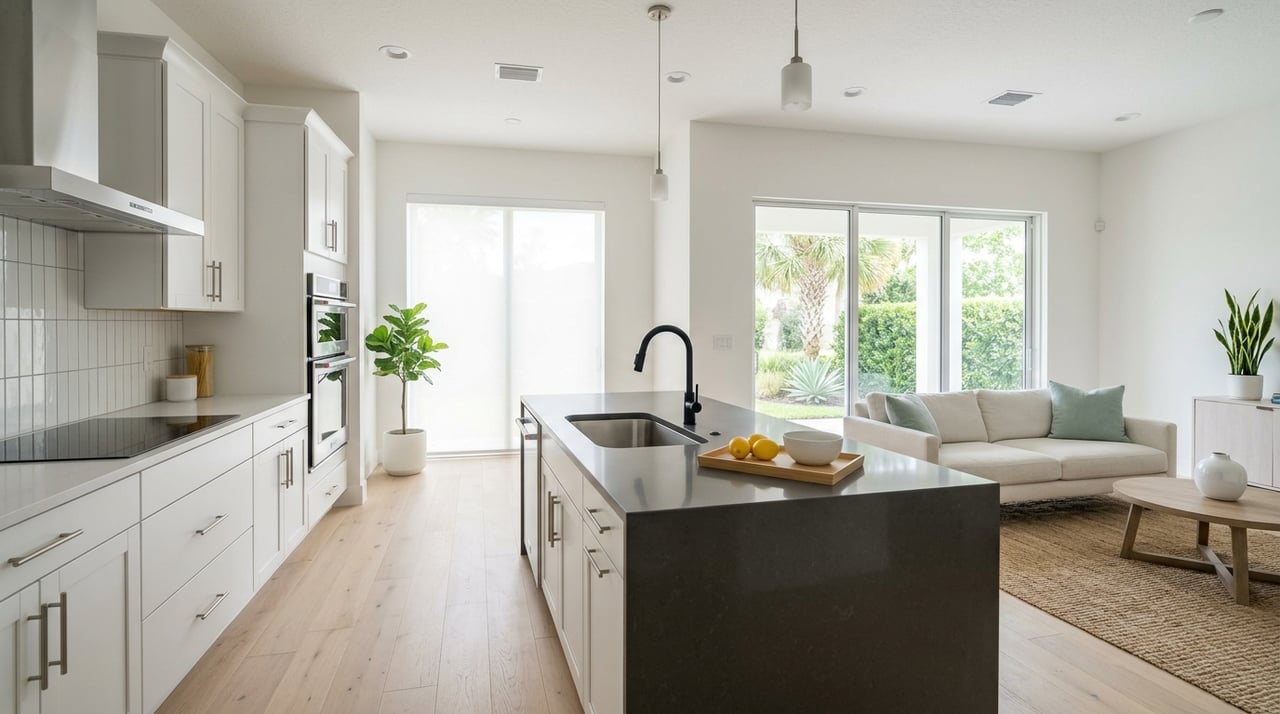
Selling a luxury coastal home in St. Augustine is not just about putting a sign in the yard and waiting for the right buyer to appear. In a market where homes can take time to sell and buyers do a lot of their comparison shopping online, your home needs to look polished, well cared for, and easy to understand from day one. If you want to protect value and create a stronger first impression, the right preparation can make a real difference. Let’s dive in.
Understand the St. Augustine market
Before you make updates or schedule photos, it helps to know what buyers are seeing in the local market. According to Redfin’s St. Augustine housing market data, the median sale price in St. Augustine was $429,500 in February 2026, with a median 121 days on market. In St. Johns County overall, the median sale price was $481,480 with a median 94 days on market.
For a luxury coastal home, that tells you something important. You cannot assume scarcity alone will drive urgency. A high-end listing needs a strong launch, clean presentation, and a clear sense of trust right away.
Buyers are also starting their search online. The National Association of Realtors 2025 buyer trends report found that 51% of buyers found the home they purchased through internet search, and 83% of internet users said photos were very useful. Floor plans and virtual tours also mattered to many buyers, so your listing should feel complete before it goes live.
Start with repairs buyers will notice
Luxury buyers expect a home to feel finished, especially near the coast. That does not mean you need to renovate every room. It means you should focus on the visible issues that create hesitation.
In St. Augustine’s coastal environment, the most important pre-list priorities often include roof condition, windows and doors, exterior paint or siding, drainage, deck or dock hardware, and any signs of prior moisture problems. Since St. Johns County hurricane guidance highlights flood, wind, elevation, and storm-surge concerns, buyers are likely to pay close attention to features tied to resilience and maintenance.
When a home looks recently cared for, it tends to feel lower risk. That matters even more in a market where buyers may spend weeks comparing listings before they decide to tour in person.
Focus on friction points first
If you are deciding where to spend time and money, start with the items that raise immediate questions during photos, showings, or inspections:
- Roof wear or missing repair records
- Fogged or damaged windows and doors
- Cracked exterior trim, faded paint, or siding issues
- Drainage trouble or standing water after rain
- Rusted hardware on decks, docks, or gates
- Staining, mildew, or signs of past water intrusion
These issues can distract buyers from your home’s views, architecture, and lifestyle appeal. In a luxury sale, reducing obvious friction is often more valuable than over-improving.
Organize disclosures and documents early
One of the smartest things you can do before listing is create a clean property file. Florida law requires real estate licensees to disclose known facts that materially affect the value of residential property and are not readily observable, according to Florida Statute 475.278.
That makes documentation especially important for coastal homes. If your property has had roof work, drainage improvements, prior water intrusion, insurance claims, or permitted upgrades, gather those records before the home hits the market.
A strong documentation file may include:
- Contractor invoices
- Permit records
- Warranties
- Service receipts
- Inspection reports
- Flood-zone documents
- Elevation certificate, if available
- Sealed survey, if available
This kind of preparation helps buyers and appraisers understand the home more clearly. It also supports a smoother negotiation process because fewer questions are left hanging late in the transaction.
Address flood risk and insurance questions
For a coastal home in St. Augustine, flood risk should never be treated like a side topic. St. Johns County’s hurricane preparedness guidance notes that evacuation zones are based on elevation, isolation, and storm-surge vulnerability. FEMA also states that coastal flood risk can include storm surge, waves, and erosion, and that properties in a Special Flood Hazard Area have at least a 26% chance of flooding during the life of a 30-year mortgage.
Just as important, FEMA says most homeowners insurance does not cover flood damage, and flood insurance is a separate policy. St. Johns County’s 2025 Flood Awareness Week proclamation also noted that flooding has affected homes in both high-risk and low-to-moderate-risk zones.
For sellers, the takeaway is simple. Be ready to discuss flood insurance, flood-zone documentation, and any available elevation information early. Clear answers help buyers feel informed, not surprised.
Know the rules for historic areas
If your home is in one of St. Augustine’s historic areas, your pre-sale planning may need extra care. The city has five Historic Preservation zoning districts, and alterations to buildings and sites in those districts require HARB approval. The city also states that permits are required for most construction projects, including renovations, additions, pools, fences, windows and doors, docks, driveways, patios, and demolitions.
If your home is older or historically designated, do not assume that a quick replacement project is the best move. In some cases, repair may be more appropriate than replacement. The city’s preservation guidance notes that older wood windows can often be repaired and improved, which can matter when you are balancing value, appearance, and compliance.
Decide between restoration and replacement
For historic or older homes, ask these questions before starting work:
- Is the property in a historic preservation district?
- Does the planned work require HARB review?
- Is repair a better value strategy than full replacement?
- Do you have permits and records for earlier improvements?
This step can protect you from delays and helps you present the property more confidently when buyers ask what has been updated.
Treat staging like part of the sale strategy
In luxury real estate, staging is not just decoration. It is part of how you shape buyer perception. According to the NAR 2025 home staging snapshot, 83% of buyers’ agents said staging made it easier for a buyer to visualize the property as a future home.
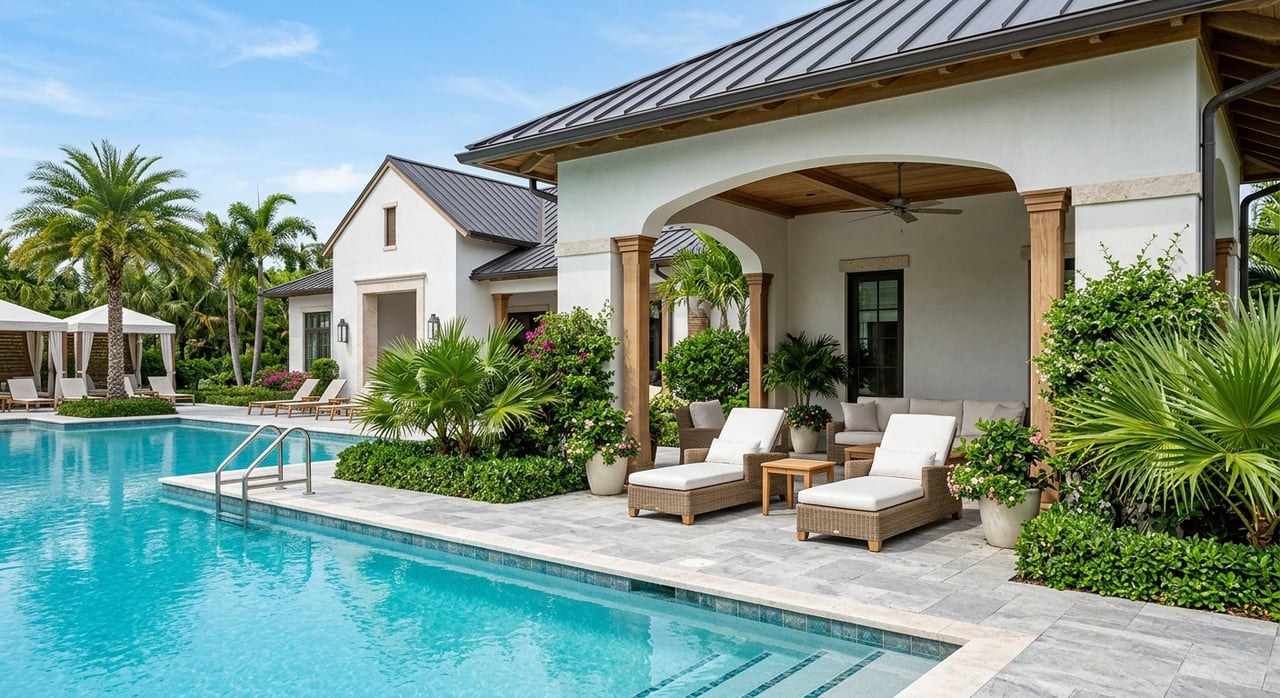
For a luxury coastal listing, the goal is usually a calm, edited look that lets the architecture and water-oriented lifestyle stand out. Overstyling can compete with the home itself. Understyling can make premium spaces feel unfinished.
The rooms that deserve special attention often include:
- Living room
- Primary bedroom
- Dining area
- Kitchen and island seating
- Lanai, patio, balcony, or pool area
- Outdoor entertaining spaces facing the water
These spaces help buyers imagine daily life in the home. In a coastal property, outdoor flow matters almost as much as indoor square footage.
Build a complete digital launch
Because buyers are finding homes online first, your listing should be fully prepared before it goes live. The digital package should not be an afterthought. It should be part of your launch strategy.
NAR’s online visibility guidance points out that photos are the feature most likely to stop buyers from scrolling. The same guidance also highlights strong demand for visual content like floor plans, videos, virtual tours, and features that support lifestyle and long-term value.
For a St. Augustine luxury coastal home, that means your marketing package should ideally include:
- Professional photography
- Accurate water-view framing
- Twilight or golden-hour exterior images when appropriate
- A clear floor plan
- Video or virtual walkthrough
- Thoughtful room descriptions that explain flow and function
A polished launch creates momentum. An incomplete launch can cost you attention during the most important window, right when the listing is brand new.
Prepare for showings with weather in mind
Coastal showings need a little more planning than inland homes. St. Johns County hurricane season runs from June 1 through November 30, and changing weather can affect outdoor furniture, cushions, umbrellas, and general property presentation.
If your home has a pool, lanai, dock, balcony, or outdoor kitchen, make sure those spaces are easy to secure and quick to refresh. Build some flexibility into your showing schedule if storms or heavy rain are in the forecast.
Luxury buyers are often buying a lifestyle, not just a floor plan. During showings, it helps to highlight:
- View corridors
- Outdoor entertaining flow
- Privacy features
- Storage and utility spaces
- Maintenance history
- Any documented improvements that support easier coastal ownership
If your home is older or in a historic area, be ready to explain what was restored, what was permitted, and what may still require city review for future changes. That kind of clarity can build confidence quickly.
Why preparation matters more at the high end
In a slower-moving market, luxury sellers often win by being more prepared, not just more patient. Buyers want a home that feels beautiful, but they also want one that feels understandable. The more complete your presentation is, the easier it is for them to say yes.
That is especially true for coastal homes in St. Augustine, where condition, weather exposure, flood questions, and local permitting can all influence how a buyer sees value. When you prepare strategically, you reduce uncertainty, strengthen your negotiating position, and give your home the best chance to stand out.
If you are getting ready to sell a luxury coastal property in St. Augustine, working with a local expert can help you prioritize the right updates, organize the right documents, and launch with confidence. For personalized guidance and concierge-level marketing support, connect with Amy Wojaczyk.
FAQs
What should you repair before selling a luxury coastal home in St. Augustine?
- Focus first on visible condition and coastal resilience, including roof issues, windows and doors, exterior finishes, drainage concerns, deck or dock hardware, and signs of past moisture.
What documents should you gather before listing a St. Augustine coastal home?
- Gather permits, invoices, warranties, service records, inspection reports, insurance-related records, flood-zone documents, and any available elevation certificate or sealed survey.
Why does flood insurance matter when selling a home in St. Augustine?
- FEMA states that most homeowners insurance does not cover flood damage, so buyers often want clear information about flood insurance, flood risk, and related property documents.
Do historic homes in St. Augustine need special approval before updates?
- Yes, depending on the property and location, work may require permits and possibly Historic Architectural Review Board approval, especially in one of the city’s historic preservation districts.
Why is professional marketing important for a luxury home sale in St. Augustine?
- Buyer behavior data shows that many buyers find homes online first, and photos, floor plans, and virtual tours strongly influence whether they decide to take the next step.
How should you prepare a coastal home for showings during hurricane season in St. Johns County?
- Keep outdoor spaces secure and easy to reset, allow for weather-related scheduling flexibility, and present the home in a way that highlights both lifestyle appeal and maintenance readiness.