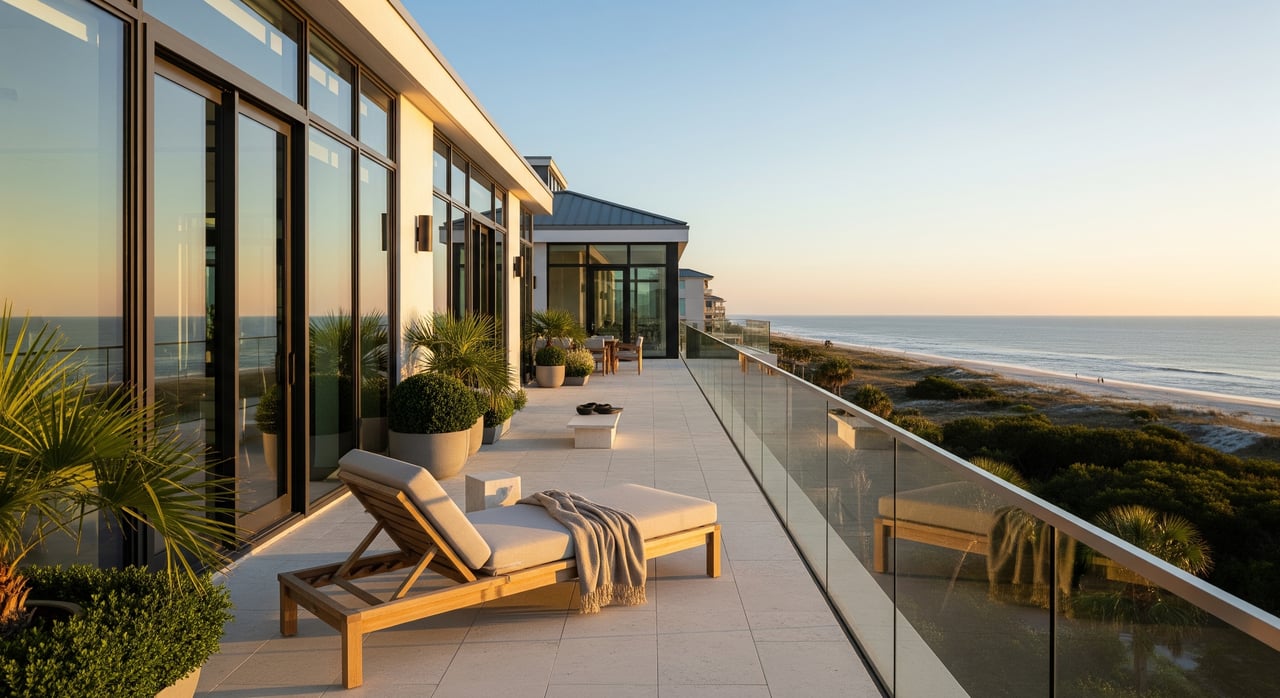
Torn between mornings on the beach and sunsets on the river? You’re not alone. In Jacksonville, both lifestyles deliver water, views, and easy access to the outdoors, but the day-to-day experience can be very different. This guide breaks down commutes, recreation, home types, flood and insurance basics, and the practical tradeoffs so you can choose with confidence. Let’s dive in.
Riverfront and beach at a glance
Riverfront neighborhoods
Riverside, Avondale, San Marco, Ortega, Ortega Forest, Southbank, and Mandarin line the St. Johns River and its tributaries. You’ll find historic districts near downtown, established suburban pockets, and in-town condos with river views. Many streets sit close to parks, marinas, and boat ramps, which makes daily river access simple.
What this feels like day to day: shorter drives to downtown employment, dining, and cultural venues, plus a strong neighborhood vibe in walkable pockets like Riverside/Avondale and San Marco. The river itself is broad and tidal, which supports boating, paddleboarding, and fishing without the surf.
Beach communities
Jacksonville Beach, Neptune Beach, and Atlantic Beach are known locally as The Beaches. Nearby Mayport and barrier islands add even more coastal access, and Ponte Vedra Beach to the south often factors into a broader beach lifestyle search. You’ll see oceanfront condos, single-family beach homes on pilings, classic bungalows, and newer elevated designs.
What this feels like day to day: surf, sunrise walks, and a lively dining and nightlife scene near the pier and town centers. Expect more seasonal energy, weekend visitors, and a bit more planning for parking during peak periods.
Commute and daily logistics
Driving and transit reality
Jacksonville is largely car dependent. The Jacksonville Transportation Authority operates buses and First Coast Flyer routes, but service frequency and coverage are not like dense urban metros. If you rely on transit, you’ll typically find more direct options near downtown than from the beaches.
According to U.S. Census estimates, the city’s median one-way commute tends to land in the mid-20 minutes range. Your actual time depends on location and time of day. You can explore Jacksonville QuickFacts for broad commuting context through the U.S. Census.
Riverfront commute patterns
If you work downtown or in nearby medical and business districts, riverfront neighborhoods often put you 5 to 15 minutes by car from the office in typical conditions. Shorter trips to hospitals, cultural venues, and sporting events are common from Riverside/Avondale, San Marco, Southbank, and parts of Ortega. Airport trips are usually a straightforward drive via I-95 or I-295.
Beach commute patterns
From The Beaches to downtown, plan for 20 to 40 minutes or more depending on the time of day and destination. Main routes include Beach Boulevard, Atlantic Boulevard, and A1A. Seasonal traffic and special events can add time on weekends and holidays, especially near the pier and commercial corridors.
Water access and outdoor recreation
River recreation
Riverfront living puts you near marinas, private docks, and riverside parks. Boating and sailing are popular on the St. Johns, along with kayaking and paddleboarding on tributaries. The river’s tidal nature creates calm stretches that work well for paddling. Neighborhood green spaces and gardens add to the scene, and wide river views make sunset a daily ritual.
Beach recreation
If you want waves and open ocean, the beaches deliver. You can surf, swim at lifeguarded areas, fish from the Jacksonville Beach Pier, and enjoy beach volleyball and sunrise runs. For trails and camping near the ocean, Kathryn Abbey Hanna Park is a local favorite and is listed by the City of Jacksonville Parks & Recreation. You can also explore natural areas throughout the Timucuan Preserve and nearby barrier islands, which are highlighted on Visit Jacksonville.
Flood, storms, and insurance basics
How risk differs
All waterfront living involves some level of flood and storm consideration. Riverfront properties can experience riverine flooding and king tide effects along the St. Johns, and storm surge can push water upriver during hurricanes. Oceanfront homes face storm surge, wave action, beach erosion, and long-term sea-level rise. For a first pass on risk at a specific address, use FEMA Flood Insurance Rate Maps and the NOAA Sea Level Rise Viewer.
Insurance and cost planning
Standard homeowners policies do not include flood coverage. If a property is in a FEMA Special Flood Hazard Area, a separate flood policy is often required by lenders. Coastal properties may also carry higher windstorm or hurricane-related premiums, and Florida’s insurance market can be volatile. For guidance on policy types, market conditions, and consumer information, consult the Florida Office of Insurance Regulation.
Building codes and elevation
Newer coastal construction follows the Florida Building Code with wind-load and elevation requirements. Elevated foundations and pilings are common near the ocean, which can add to build and replacement costs, but they are designed to meet stricter standards. You can read more about code requirements through the Florida Building Commission.
Homes and construction details
Riverfront home types
- Riverside/Avondale and San Marco: historic single-family homes like Craftsman bungalows and Mediterranean Revival, plus renovated older homes, in-town condos, and multi-family options.
- Ortega and Mandarin: mid-century and older estates, ranch-style homes, and newer custom construction on larger lots.
- Downtown and Southbank: condo towers and loft-style living with river views.
What to know: historic homes can come with character and unique craftsmanship, and they may also involve older systems or deferred maintenance. Ask about foundations, plumbing, electrical, and documented upgrades.
Beach home types
- Oceanfront and near-ocean condos and mid-rise buildings.
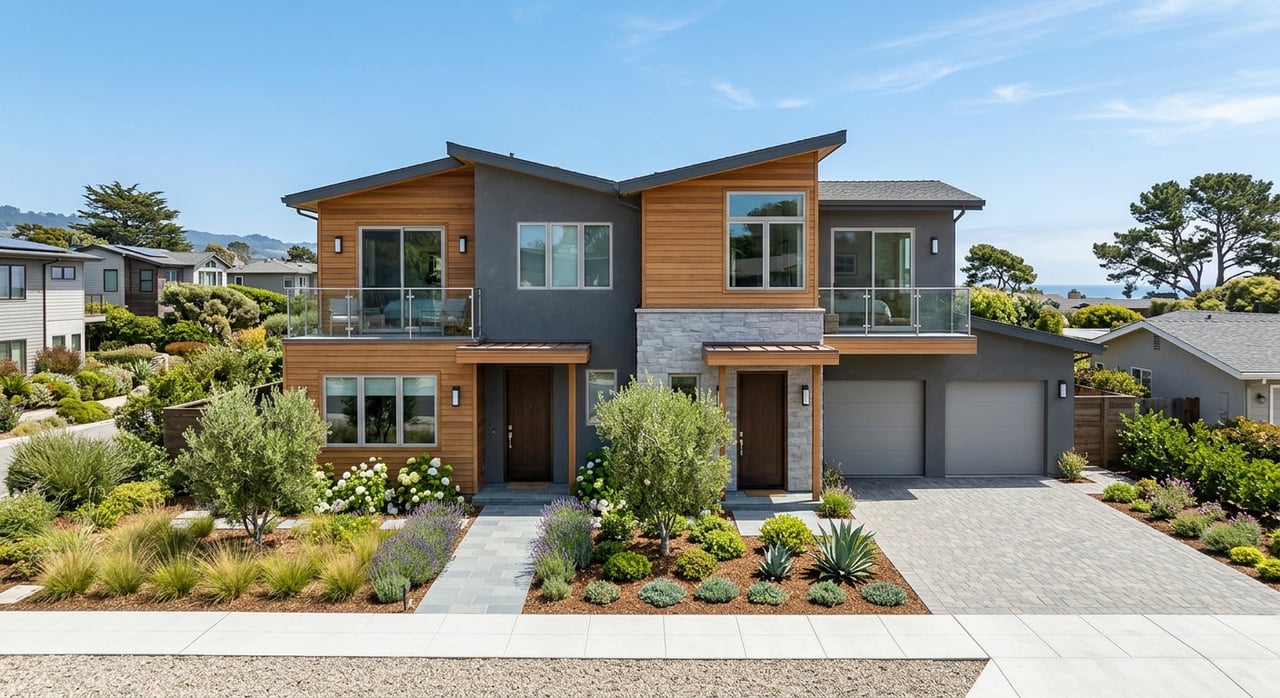
- Single-family beach houses, often on pilings, plus classic beach bungalows and modern elevated designs.
- Infill townhomes on smaller lots near commercial corridors.
What to know: salt air and wind increase maintenance, especially for exterior metals, windows, doors, and decks. Elevated construction can improve resilience but may also affect stairs, access, and replacement costs.
Lifestyle and amenities
Walkability, dining, and culture
River neighborhoods like Riverside/Avondale and San Marco often offer pedestrian-friendly corridors with independent restaurants, coffee shops, galleries, markets, and parks. You’ll also find a steady calendar of neighborhood events. The beach towns offer oceanfront restaurants, seasonal live music, and nightlife near town centers and the pier, with strong walkability within core areas.
Schools, healthcare, and services
Both corridors are served by Duval County Public Schools. School zones vary by address, and assignments can change, so verify the specific zoning for any property you consider. Major hospitals and specialty care are concentrated closer to downtown, which can mean shorter drives from riverfront neighborhoods and longer drives from the beach for specialist visits.
Seasonality and visitors
The beaches see more seasonality, including tourists, winter visitors, and weekend crowds. That energy can be part of the draw if you like a lively scene. River neighborhoods tend to feel more year-round residential, with occasional event-driven crowds.
Short-term rentals and investment notes
Short-term rentals are active in many beach areas, and some downtown riverfront condos may allow them. Rules depend on city policy, HOA bylaws, and building-specific restrictions. If rental income is part of your plan, confirm regulations, minimum stay rules, and licensing requirements before you buy.
Quick buyer checklist
Use these questions to compare addresses side by side:
- Location and commute
- What is the typical and peak-hour commute to your work, school, or hospital? Which routes are most reliable in your time window?
- How do weekend events or beach season affect your drive?
- Property and costs
- Is the address in a FEMA Special Flood Hazard Area? Do you have an elevation certificate and recent flood data?
- What are realistic homeowners, flood, and windstorm insurance premiums for this address today?
- Does the property include dock rights, a deeded access point, or nearby marinas? Are there HOA rules on boat storage or slips?
- Construction and maintenance
- What materials were used, and are there documented wind or hurricane upgrades?
- For historic homes, what system updates have been completed, and what is the likely timeline for future capital items?
- Community and lifestyle
- How does the area feel at night, on weekends, and during peak seasons?
- Are short-term rentals allowed by the city or HOA?
- Schools and services
- Which public schools serve the address, and what are the logistics for drop-off or bus routes?
- How far are major hospitals and urgent care centers?
Which lifestyle fits you?
Choose riverfront if you want quick access to downtown jobs and hospitals, tree-lined historic streets, and a boating lifestyle on the St. Johns. Daily routines often feel simpler with shorter drives and neighborhood parks close by. Flood risk varies by block, so address-level diligence matters.
Choose beach living if you want surf, sunrise, and a vacation-town vibe at your door. You’ll trade longer inland commutes and seasonal traffic for ocean access, walkable town centers, and a strong community of outdoor enthusiasts. Expect higher maintenance from salt exposure and plan for coastal insurance needs.
If you’re torn between the two, tour both during your typical commute hours, check flood maps and insurance quotes for target addresses, and spend a weekend in each area to feel the rhythms. When you’re ready for a plan that protects your priorities, reach out to Amy Wojaczyk for negotiation-first guidance and a clear path forward.
FAQs
How long is the commute from The Beaches to downtown Jacksonville?
- Expect about 20 to 40 minutes by car depending on the route and time of day. Seasonal traffic and events can add time, especially on Beach Boulevard, Atlantic Boulevard, and A1A.
What tools help me check flood risk for a Jacksonville home?
- Start with FEMA flood maps to see current flood zones and use the NOAA Sea Level Rise Viewer for tide and long-term scenarios. Always confirm details at the property level.
Do Jacksonville beach homes cost more to insure than river homes?
- Coastal properties often have higher windstorm and flood insurance costs due to exposure. Review options and market guidance with the Florida Office of Insurance Regulation and get address-specific quotes.
What are Jacksonville transit options if I do not drive?
- The Jacksonville Transportation Authority runs bus service and First Coast Flyer routes, but coverage and frequency are limited compared with denser cities. Most residents rely on cars for daily trips.
Are newer beach homes required to be elevated?
- Many coastal homes use elevated foundations or pilings to meet the Florida Building Code and local elevation requirements. See the Florida Building Commission for code information.
Where can I find beach parks and ocean-access options?
- Explore Jacksonville’s park listings, including Kathryn Abbey Hanna Park, through City of Jacksonville Parks & Recreation, and review coastal amenities on Visit Jacksonville.