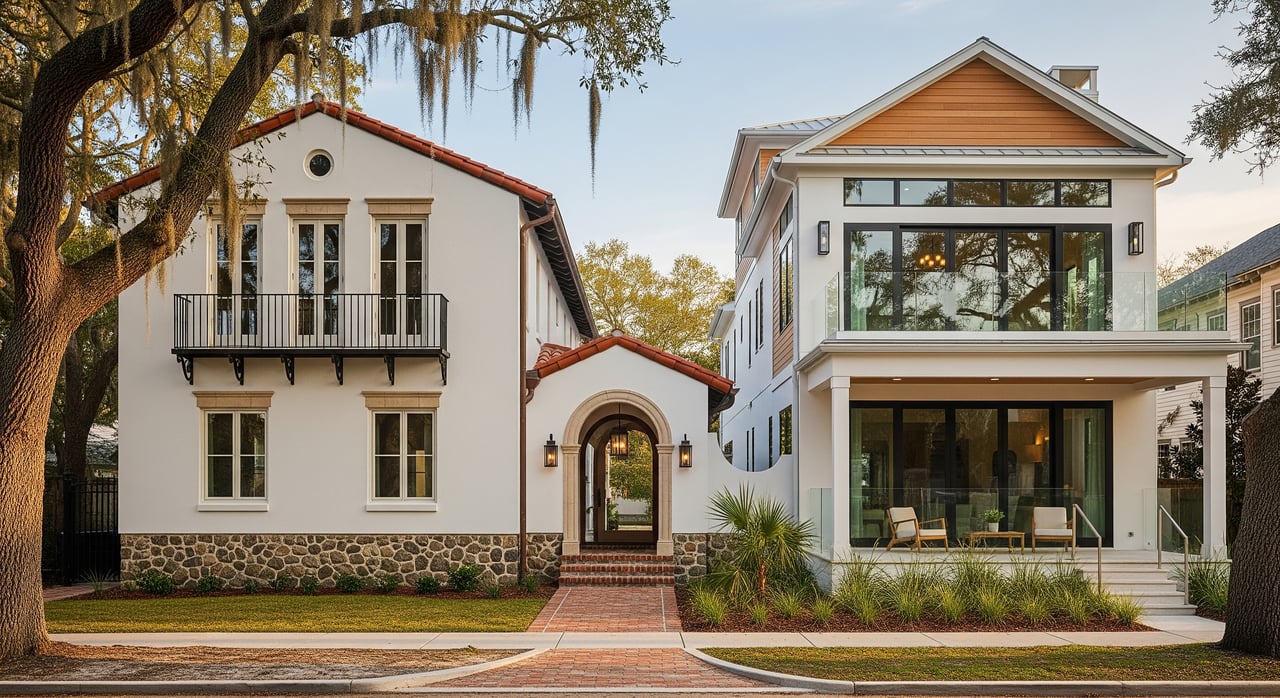
Should you buy a brand-new home or a resale in St. Augustine? If you are relocating to the 904 or moving up within St. Johns County, this choice can feel big and a little urgent. You want the right home, the right timeline, and a monthly payment that fits your life. In this guide, you will compare costs, timelines, warranties, HOA and CDD factors, and negotiating strategies so you can choose with confidence. Let’s dive in.
Price and total cost of ownership
Sticker price is only part of the story. In St. Johns County, your true monthly housing cost includes your mortgage, property taxes, homeowners and flood insurance if required, HOA dues, any CDD assessment, utilities, and a maintenance reserve.
New construction often carries a higher price per square foot because of current materials and labor costs, builder margins, and new amenities. Builders may offer incentives like closing cost help, design upgrades, or interest rate buydowns that reduce your effective out-of-pocket cost. Resale can be priced below new for a similar size and location, but you might need immediate repairs or updates that add to your total.
Upfront costs to compare
- New construction
- Options and upgrades like cabinets, counters, flooring, and appliances.
- Lot premiums for water, preserve, or corner locations.
- Longer holding costs if you carry your current home while your new one is built.
- Resale
- Immediate repairs or modernization such as roof, HVAC, plumbing, and electrical.
- Inspection findings that lead to repairs or credits.
Recurring costs in St. Johns County
- Property taxes based on assessed value. For many new builds, initial assessments and timing can differ from resales. Confirm how and when your tax bill will reflect the completed home.
- Homeowners insurance, which can be higher in Florida. Location and construction type matter.
- Flood insurance if the home is in a special flood hazard area or your lender requires it. Flood zone placement drives premiums.
- HOA dues, which vary with services and amenities.
- CDD assessments when present, which are collected on your property tax bill and fund community infrastructure.
Energy and maintenance
- New homes are built to current Florida Building Code standards for wind, energy, and structure. That typically improves efficiency and performance versus older homes.
- Resale homes may need upgrades to windows, insulation, roofing, or HVAC to match newer performance.
- New homes often have lower near-term maintenance costs thanks to new systems and warranties. Older homes can be very durable, but big-ticket items may come sooner.
Build your side-by-side worksheet
List purchase price and expected closing costs for each home.
Add builder options, lot premiums, and any immediate repair budgets.
Gather annual costs: property taxes, homeowners insurance, flood insurance, HOA dues, CDD assessments, and utilities.
Include a maintenance reserve. For many older homes, plan 0.5 to 1.5 percent of value per year. New homes often start lower.
Calculate your monthly principal and interest based on your loan amount and rate.
Compare the totals for each home.
Formula to use:
- Annual Total Ownership Cost = (Mortgage P&I x 12) + Property Taxes + Homeowners Insurance + Flood Insurance + HOA Dues + CDD Assessments + Utilities + Maintenance Reserve
Timeline and logistics
Your deadline often points to the best path.
- New construction
- Move-in ready spec homes can close in weeks to a few months.
- Build-to-order homes commonly take 4 to 12 months, depending on product type, builder backlog, weather, and inspections. Change orders can add time.
- Builders set closing terms tied to construction milestones, which adds predictability but less flexibility.
- Resale
- Conventional closings often occur in 30 to 45 days once you go under contract. Cash can be faster.
- Inspection and appraisal issues can extend timelines or lead to repairs or credits.
Practical planning tips
- Relocating on a set date: target resale homes or available spec homes that match your arrival window.
- Selling before buying: consider timed closings, a leaseback, or short-term housing. Align your sale, new purchase, and any builder schedule before you commit.
Warranties, inspections, and build quality
New homes are built to current code, which can improve wind mitigation and overall resilience. Even so, you should plan for professional inspections on both new and resale properties.
Typical builder warranty structure
- One year coverage for workmanship and materials.
- Two years often for systems like plumbing, electrical, and HVAC.
- Five to ten years limited structural coverage on load-bearing elements, depending on the builder.
Read warranty limits and the claims process carefully. Builders often include arbitration or mediation language in contracts. For substantial custom work, consult a real estate attorney.
Inspection game plan
- New construction: schedule independent inspections, including a pre-drywall check and a final inspection. Create a punch list and confirm completion before closing when possible.
- Resale: use full inspection contingencies. If issues arise, negotiate repairs, credits, or a price reduction.
Insurance and resilience
- Newer codes may qualify for wind mitigation credits, but location and insurer policies drive final premiums. Always obtain local quotes.
- Older homes can be retrofitted with improvements to roofing, windows, and structural tie-downs to improve performance and insurability.
HOA and CDD basics
Many St. Johns County communities include an HOA, a CDD, or both. Their rules and fees shape your budget and lifestyle.
What to expect with HOAs
- HOAs regulate exterior standards, common areas, and amenities like pools, gates, and gyms.
- Dues vary widely by community and services. Review bylaws, budgets, reserve studies, and meeting minutes to gauge financial health and any planned assessments.
What to know about CDDs
- A CDD is a public entity that finances and manages infrastructure in new developments.
- The CDD assessment appears on your annual property tax bill and continues for the life of the bond.
- Amounts vary and can significantly change your annual cost of ownership.
Smart due diligence steps
- For resale homes: request HOA resale documents and budgets early in your inspection period.
- For new communities: obtain developer HOA and CDD disclosure packets and the projected annual assessment.
- Verify any CDD by reviewing the property’s tax bill through the county property appraiser.
Flood zones and lending
- Many coastal or low-lying areas in St. Johns County are in flood zones where lenders require flood insurance.
- Confirm the property’s flood zone and elevation. Factor premiums into your monthly budget.
Negotiation and financing strategies
Negotiation looks different with builders than with individual sellers. Your leverage shifts with inventory, interest rates, and timing.
Resale negotiation plays
- Price negotiability depends on inventory and seller motivation.
- You can negotiate not only price, but also repairs, credits, closing date, and contingencies.
- In tighter markets, strong terms, flexible closing, and a reputable lender can create an edge.
Builder negotiation plays
- Base prices are often firmer, but builders regularly offer incentives like closing cost contributions, upgrade packages, or interest rate buydowns.
- Lot premiums and design options can be negotiable, especially on spec homes or when builders hold inventory.
- Month-end or quarter-end timing can reveal additional incentives.
Financing nuances to compare
- Builder-preferred lenders may offer incentives. Compare the full picture, including rate, points, and credits.
- Custom builds may require a construction or construction-to-permanent loan with different draws and qualifications.
- Appraisals can be tricky when there are few comparable sales. If the appraisal comes in low, be ready to revisit pricing, incentives, or loan structure.
How to compare offers apples to apples
- Ask for written incentive sheets and estimate your total monthly cost after incentives.
- Verify that lender credits do not come with a higher interest rate that costs more over time.
- Use recent local sales, active listings, and builder inventory to frame your negotiation.
How to choose with clarity
Start with your non-negotiables. Do you need to move within 45 days or can you wait 6 to 10 months for a tailor-made home? Do you want a large, newer master-planned community with amenities or an established neighborhood closer to historic St. Augustine and the beach? Do you prefer a mature yard and larger lot or a brand-new envelope with lower maintenance needs in the near term?
Score each property on what matters to you: commute time, school zone boundaries, yard size, community amenities, and proximity to downtown or the coast. Then compare the total monthly cost for each. The right choice will align your priorities with a realistic budget and a workable timeline.
Next steps in St. Augustine
- Pick one new-construction community and one resale neighborhood to compare side by side.
- Build your worksheet with purchase price, closing costs, options or repair budgets, taxes, insurance, HOA, CDD, utilities, and a maintenance reserve.
- Confirm the property’s flood zone and get homeowners and flood insurance quotes.
- Request HOA and CDD disclosures and review budgets and meeting minutes.
- Plan your timeline. If you are selling first, map out contingent dates, a leaseback, or temporary housing.
- Schedule inspections for any home you pursue and review builder warranty terms or seller disclosures carefully.
When you want a clear cost picture and a strong negotiation strategy in St. Johns County, partner with a local pro who works both new construction and resale. Connect with Amy Wojaczyk to compare options, secure the right incentives, and close on the right home, on time.
FAQs
In St. Augustine, which costs more over 5 to 10 years?
- It depends on purchase price, assessed taxes, insurance and flood exposure, HOA and CDD fees, energy use, and maintenance; new homes often save on maintenance and efficiency, while CDD or higher purchase price can offset those savings.
Are builder warranties comprehensive for new homes?
- Most builders offer one year for workmanship, about two years for systems, and a limited structural warranty up to ten years, but you should read exclusions and the claims process closely.
Can I negotiate upgrades with a builder in St. Johns County?
- Yes, especially on spec homes or when inventory is higher, with common concessions including closing cost help, design credits, or rate buydowns.
Do new homes lower insurance costs in Northeast Florida?
- Possibly, since current codes and wind mitigation features may qualify for credits, but location, flood zone, and insurer guidelines heavily influence premiums, so always get local quotes.
Are older St. Augustine homes riskier in hurricane season?
- Older homes may lack modern wind mitigation unless retrofitted; inspections can assess roof, windows, and structural ties, and targeted upgrades can improve resilience and insurability.